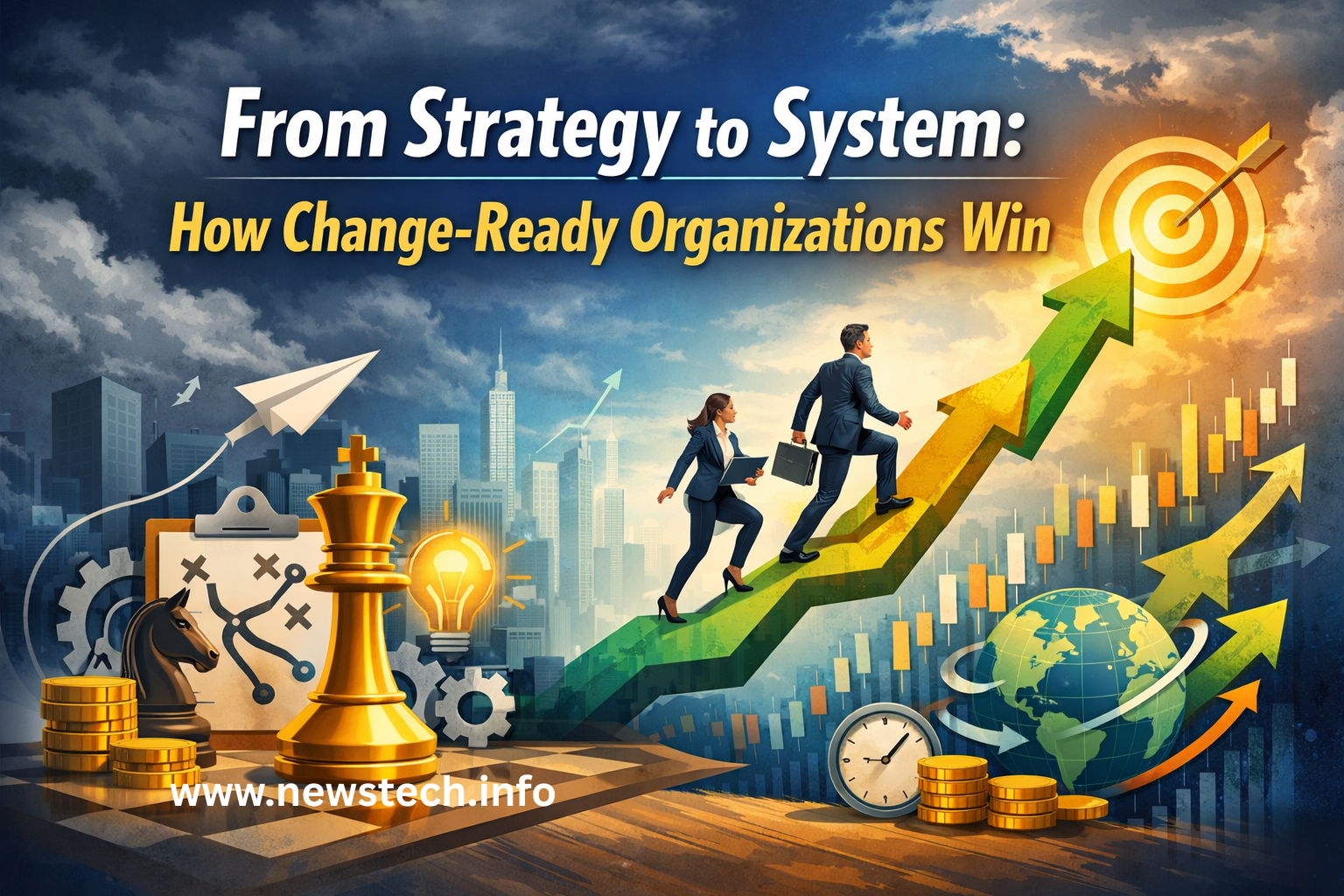
Business today moves quickly. Changes happen fast. Economic shifts, supply chain issues, new technologies, and evolving customer needs are common challenges. These aren’t rare events anymore; in fact, they’re part of everyday business life.
Companies that stick to old conventional ways often fall behind. Then, obviously later they get caught off guard. But businesses that expect change, and get ready for it, sure have an edge. These companies don’t just react. So, what do they do differently? Well, they plan ahead and stay flexible.
The best businesses are the ones that adapt. It’s not about having the most resources or the biggest budget. It is simply about staying open to new ideas, adjusting quickly, and being willing to change. Companies that embrace change, rather than fight it, are the ones that lead their industries.
The True Meaning of Being Change-Ready
Being change-ready means a company is not locked into rigid systems or fixed ways of working. It can adjust when conditions shift. It stays alert and prepared, even when the future is uncertain.
- A change-ready organization builds flexibility into its plans. It understands that plans may need to shift and allows room for adjustment. Teams are encouraged to act quickly instead of waiting for long approval chains.
- Decision-making is shared across the organization. Teams closer to the work are trusted to make choices. This helps the company respond faster when problems or opportunities appear.
- Leadership plays a key role. Leaders support new ideas and learning. They create an environment where people feel safe to experiment and improve. Mistakes are treated as lessons, not failures.
- The company also has clear structures. These structures support change instead of slowing it down. Processes are strong but not restrictive. This allows the organization to adapt without confusion or disorder.
To put it all in simple words, the companies which are always ready to change as per the market, are always prepared in advance. They train continuously. When the change really takes place, they are ready to move with confidence rather than panic.
Benefits of Being Change-Ready
- Faster Time to Market: Change-ready organizations move faster. They turn ideas into products quickly, cutting decision time and time to market by up to 40-50%. In fast-changing markets, that speed makes the difference between leading and falling behind.
- Higher Customer Satisfaction: Adaptive companies stay close to their customers. They listen, adjust quickly, and deliver better experiences. Agile organizations see customer experience improve by up to 30%, driving stronger loyalty and trust.
- Better Competitive Performance: Dynamic organizations adapt faster and run more efficiently. They are 3.5 times more likely to outperform competitors in both financial results and operations, turning change into a lasting advantage.
Change Readiness Done Right
Many people think being change-ready means constant interruption. But that’s not really true. The best companies find a balance. They remain stable in their long-term strategy while staying flexible in how they execute it.
Being change-ready does not mean rushing or reacting to every shift. It simply means having strong foundations and clear plans that allow the organization to adapt smoothly when change happens. This balance keeps the company steady while still able to move quickly when needed.
Leave a Reply